The ethnic composition of China is predominately Han, but there is far more ethnic diversity in the vast, populous region than many westerners are aware of. The Chinese government officially recognizes 56 ethnic groups, with Han making up 92% of the population. An alarming occurrence recently has been the Chinese government’s persecution of the muslim Uyger population in the northwestern state of Xinjiang. There have been many reports of abundant human rights abuses in the “re-education camps” that Uygers are forced to attend. It is especially concerning that their reported population numbers are plummeting, making observers fear an ethnic genocide is being perpetrated. In Yunnan province, the population is one third non-Han, with 50 of the 55 minority groups represented, making Yunnan an ideal place to learn from and about China’s ethnic minorities.
The four months of spring 2014 that I spent traveling and studying in Yunnan Province, China was the highlight of my college experience. I’m so grateful to have had the opportunity to study abroad with the School for International Training on a program called “China: Language, Cultures, and Ethnic Minorities”. Over the course of the program, the city of Kunming was our home base for traveling around Yunnan province. Locations I visited in Yunnan province included Tonghai, Xiaoshujing, Xishuangbanna, Weibaoshan, Weishan, Baoxingsi, Dali, Shaping, Lijiang, and Xianggelila. As a group, we spent a week in the bustling metropolis of Beijing, as well.

The SIT program staff, who crafted the educational and travel agendas and cared for the participating foreign students, were incredible guides and an invaluable support system. While in Kunming, we lived in dorms at Yunnan Minzu University (Yunnan University of Nationalities) and stayed in homestays. While traveling, we stayed in guest houses and participated in a homestay in Shaping village in Shaxi city. Shaxi is called the only remaining ancient town on the Tea and Horses Caravan Trail, and is populated by people of the Bai ethnicity.
One Friday in February we visited Shuncheng mosque in Kunming to observe an afternoon worship and learn from an imam about their religious practices and lifestyle. As an ethnically Hui population who practice Islam, navigating life under the oversignt of the Chinese government presents many challenges. I went, as always, with my camera in hand. Months later I submitted some photographs to SIT’s World Learning photography competition, and am honored that this image placed third.
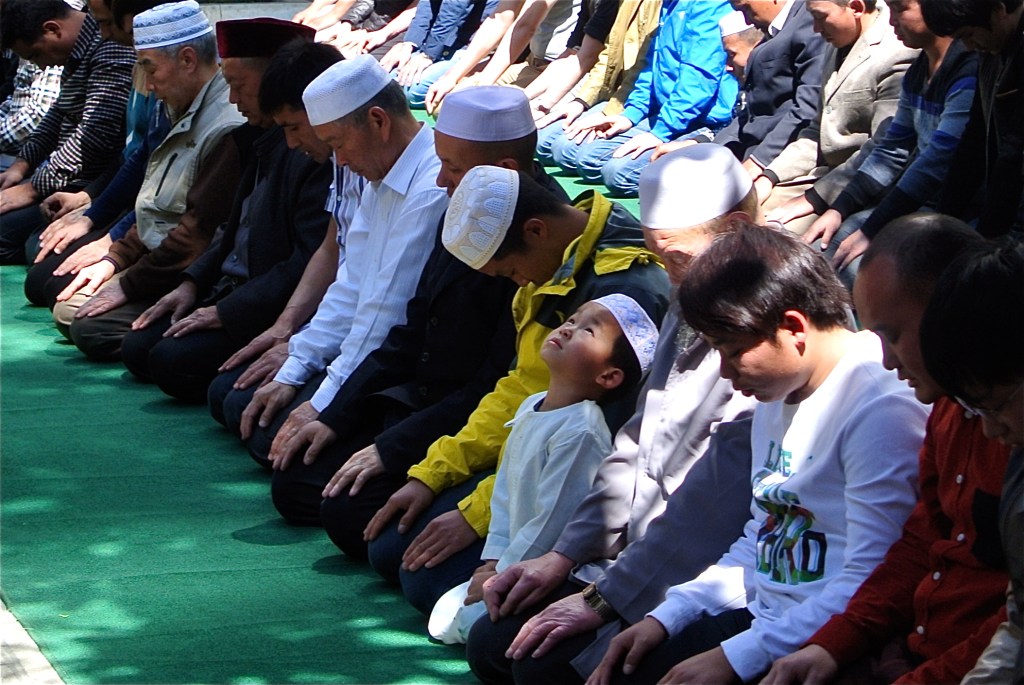
Here are some additional images from the Shuncheng mosque:
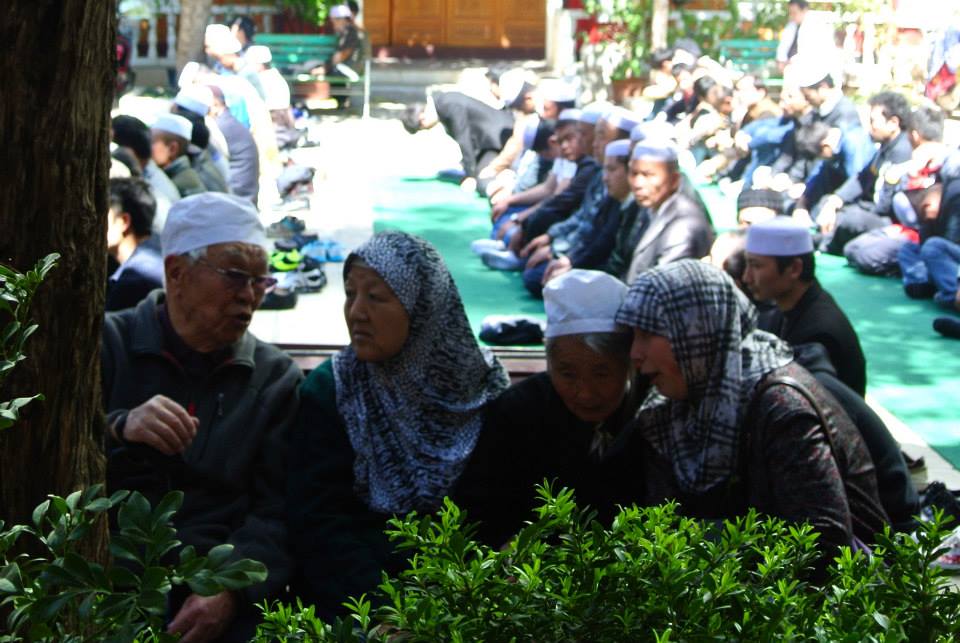
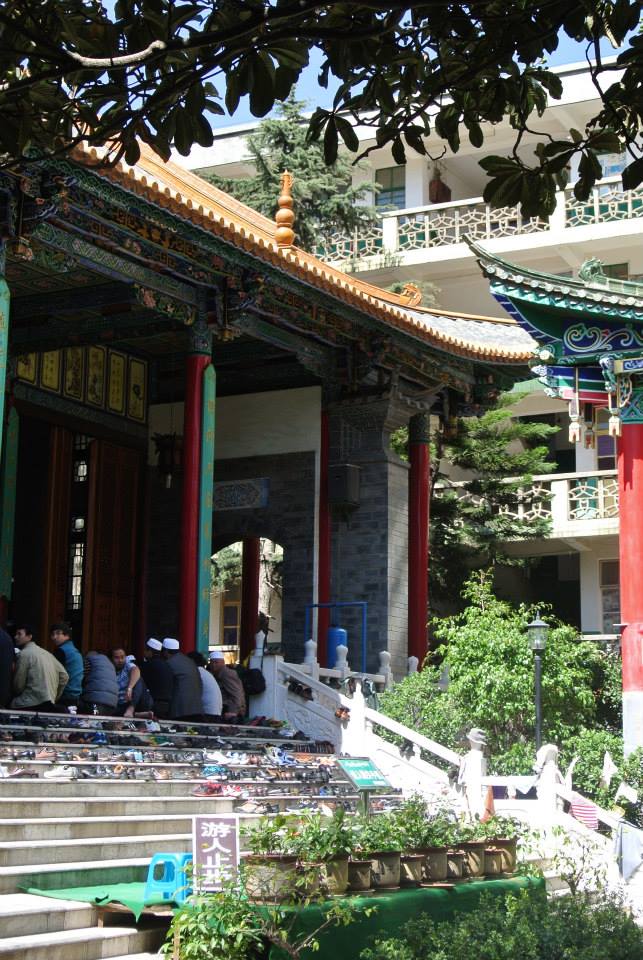

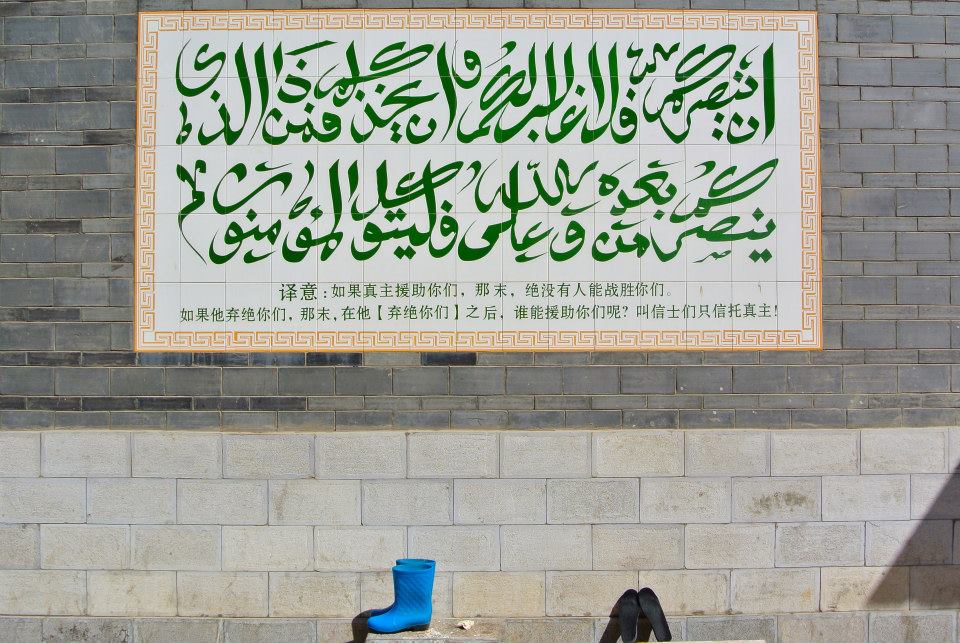
As I add content to this blog, I hope to dive more deeply into more of the ethnic groups of Yunnan Province. Please let me know, dear readers, if there is a topic that is close to your heart you’d like me to feature or if a piece of information resonated with you and you’d like to learn more about it.
 Lauren Vunderink