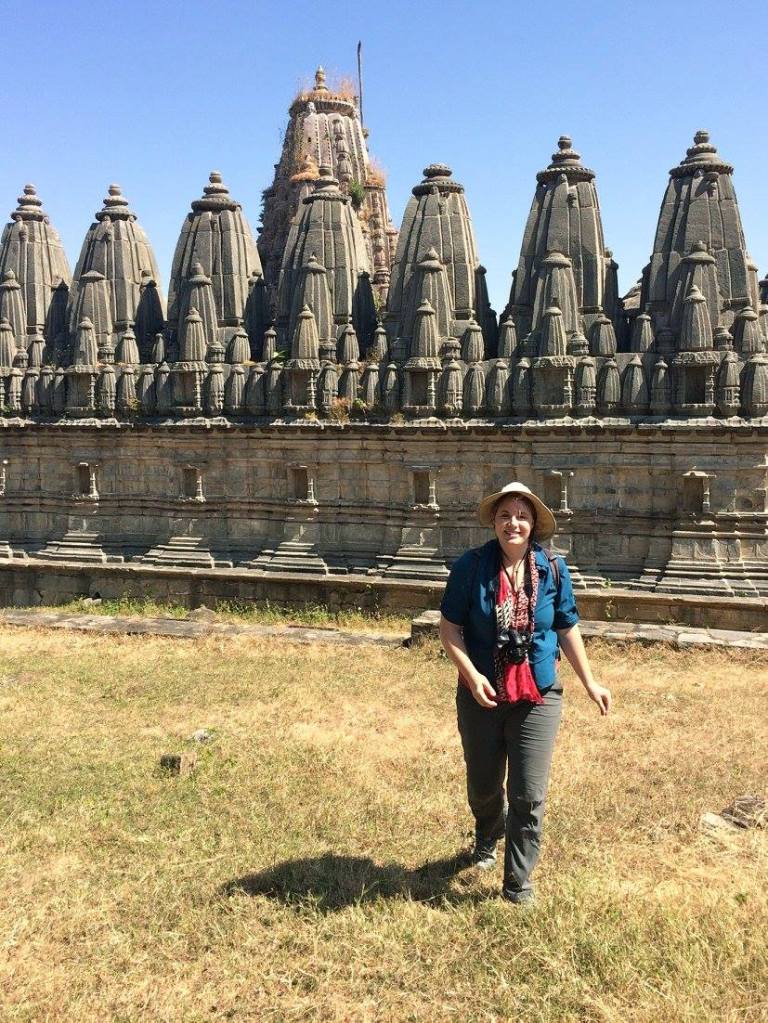
Cross Country Camper Van Road Trip 2022

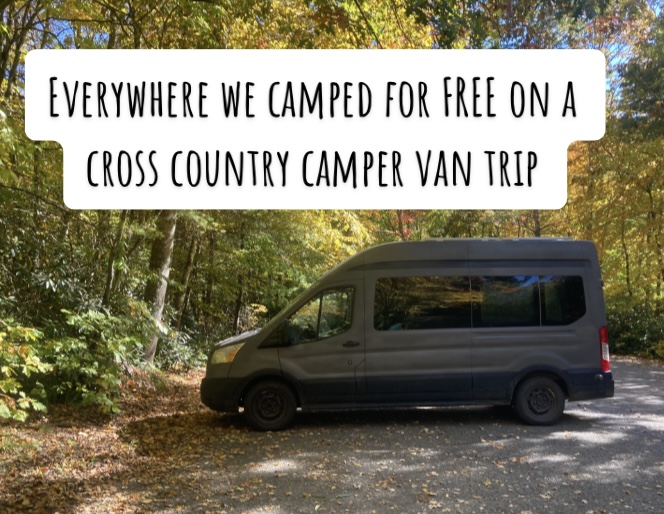
In the summer of 2022, my husband Jordan and I hit the road with our dog Bartleby, escaping the brutal heat of summer in Texas. Traveling across the country in our self-converted Ford Transit camper van was the adventure of a lifetime. We experienced the beauty of nature and bonded as a family while camping mostly for FREE at National Forests and BLM land. 

We left our home in Austin in mid-July and drove west. Our journey began in Lincoln National Forest, New Mexico, exploring the trees and streams of the Sacramento Mountains, home of Smokey Bear. From there, we continued west, stopping by Cibola National Forest as we headed toward the Grand Canyon. We camped in Kaibab National Forest, Arizona, enjoying the tranquility of the forest that surrounds the tourist frenzy of the Grand Canyon. At the Grand Canyon we were dwarfed by the massive scope of the canyon and in the geological timeline along the rim trail. 

As we continued west, less than a week after we left home, our van shuttered to a halt in the Mojave Desert. Fortunately, we had cell service and were able to call a tow truck to bring us to Barstow, California. The heat of the day eased as the sun set, and we watched the stars begin to emerge over the desert dunes before the tow truck arrived to rescue us. That night we slept outside of the repair shop. 

The next day, after what turned out to be a minor repair – yay! – we resumed our journey to Los Angeles, where we parked in a friend’s yard. After more than a week in Los Angeles catching up with music and movie friends, we were more than ready to get back into nature. 

We stopped by Lake Mead National Recreation Area in Nevada, where we swam in the lake and plucked off very small leeches. We said hello to the Hoover Dam and Las Vegas en route to the mountains of Utah. In Fishlake National Forest we met Pando, a colony of aspen trees with a root system thousands of years old that stretches over 108 acres and is one of the heaviest and oldest living organisms in the world. I love Pando.

From there we traveled into Colorado and spent August exploring Grand Mesa, Gunnison, Uncompahgre, Rio Grande, White River, and Pike National Forests. There is so much to say about these forests, and I will get into the details in future blog posts! Suffice it to say, we loved being enveloped by the beauty and cool temperatures of the Rocky Mountains. 

On our way out of Colorado, we stopped by Cache Creek BLM land to try our hand at prospecting for gold. Good thing we enjoy sorting rocks! (that’s all we found)

As we drove east, we stayed at HipCamp sites, paid campgrounds, and friends houses, until we reached Mark Twain National Forest in Missouri. We found a gorgeous site along a river, and were only disturbed by a Jehovah’s Witness who somehow found us in the woods. Continuing east en route to visit family in New Bern, North Carolina, we explored Nantahala National Forest. I’d like to spend more time exploring North Carolina’s National Forests in the future. 

After staying with family in New Bern, we headed north. Delaware State Forest in Pennsylvania was a great find. The campsites are free and top quality, you just need to request a site a couple of days in advance. In Vermont, we spent a rainy few days in Green Mountain National Forest and one night in a lot across the street from Vermont Distillers. That was the only distillery, brewery, or winery that we stayed at during our travels; it worked out well and I will keep my eyes open for more opportunities like that. 

We stayed with friends in Connecticut to attend a wedding – nothing is better than celebrating love! Afterwards, we stopped by Foxwoods Casino, where we camped for free in their RV lot and won enough to buy a nice dinner. That worked out well, thank you Lady Luck! 

Now early October, we saw stunning fall foliage through Jefferson and George Washington National Forests in Virginia. I could spend so much more time enjoying these secluded forests! We stayed at Prentice Cooper State Forest in Tennessee and Bienville National Forest in Mississippi, before landing at Prairion Bayou Recreation Area in Louisiana to catch our breath before returning home. Our last stop of the summer trip was at a friend’s farm in north Texas. 

Then we made our way back to our home in Austin! The summer was a dream come true, but returning home (and back to work!) had its benefits. I started planning our Summer 2023 trip almost immediately, and long for life on the road. Some day, I’ll crack the code on how to spend more time living camper life!

The freedom of the road and opportunity to be engaged in exploration was an unforgettable experience. I treasure the time we spent enjoying nature, working on art projects, hiking, and relaxing together. There is so much more to say about camper van life – its challenges and benefits – that I look forward to exploring in future blog posts.
Welcome and Introduction

Welcome, friends! I’m honored that you have found your way to my website. This project is an expression of my passions for photography, travel, and anthropology. I believe that cultural education is more important than ever in our increasingly connected world, and not just for travelers; learning about other ways of life, cultural practices, and history can be mind-expanding and life-changing for all. 

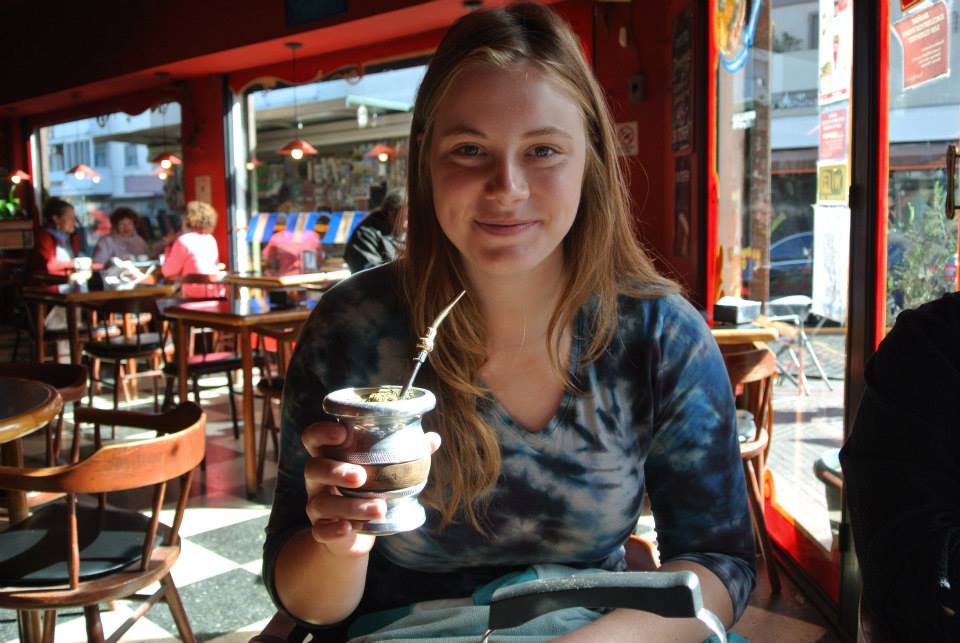
Buenos Aires, Argentina

My love of photography grew alongside my love of travel. As I visited new places from my hometown of Austin, Texas with family, school groups, and on my own, I found a camera always in my hand. It is a great privilege and an incredible honor to be able to travel and create images that seek to share the beauty of this world and its diverse cultures and ecosystems. My fascination with the history and culture of the people of the world led me to pursue a bachelor’s degree in Anthropology, the study of human cultures in the past and present. Anthropology examines the human experience, including how humans interact with their environment and with each other to create cultural practices and power structures that influence social dynamics, diet, language, economic systems, religious beliefs, political structures, and more. 

What can photography contribute to anthropological conversation? An image can communicate nuance, texture, and a human quality that text cannot provide. Photography can humanize individuals and illustrate themes in an impactful way. When consumed in context, I believe images have a great role to play in contributing to cultural education and communication. 

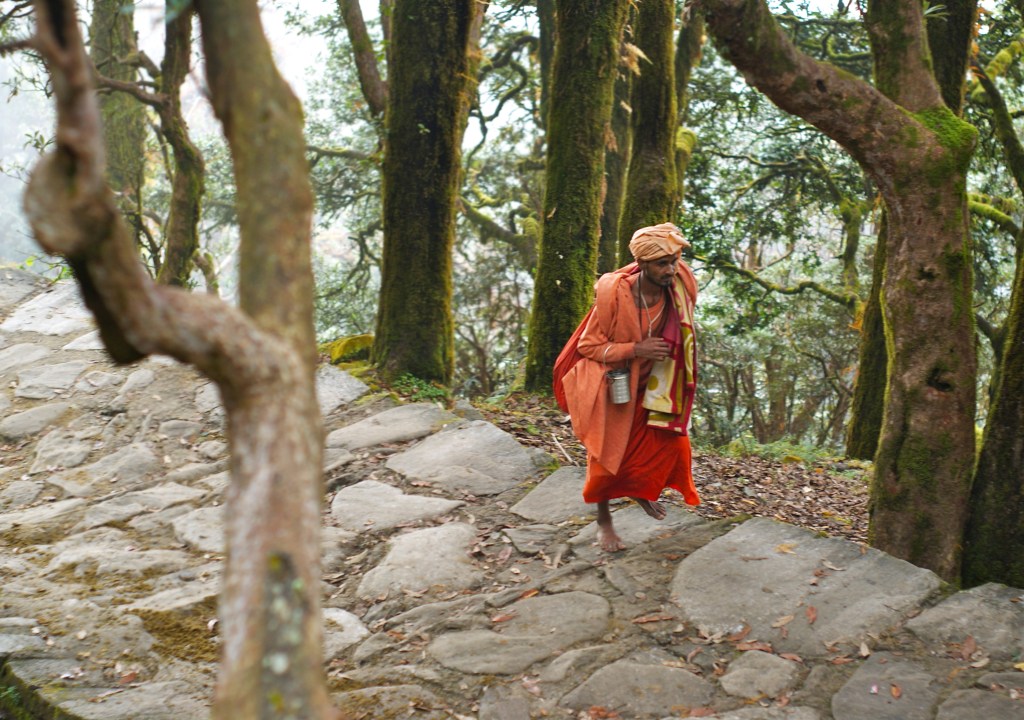
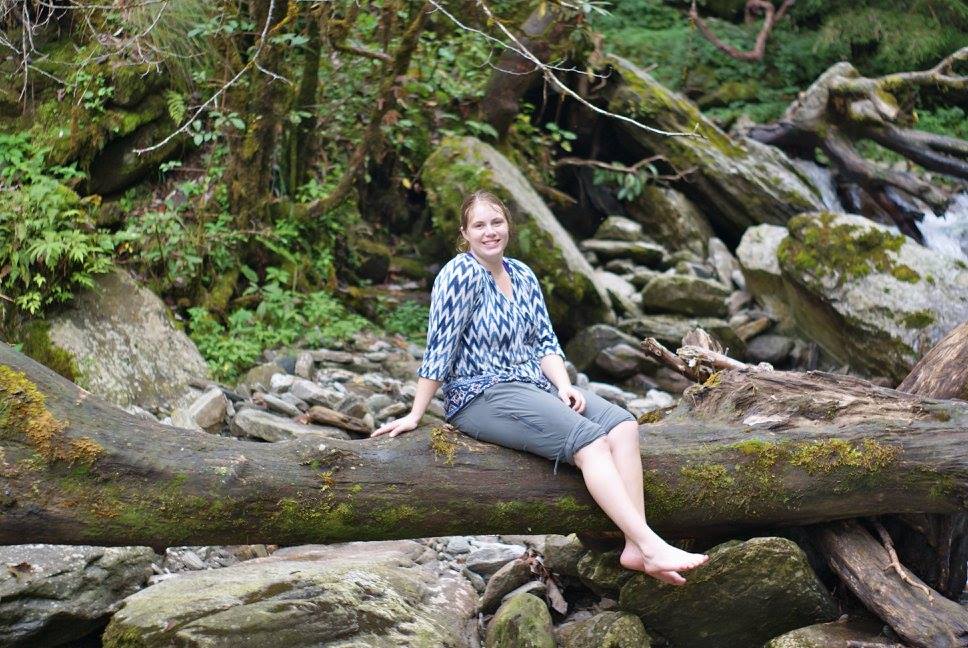
Himalayas near Chopta, India

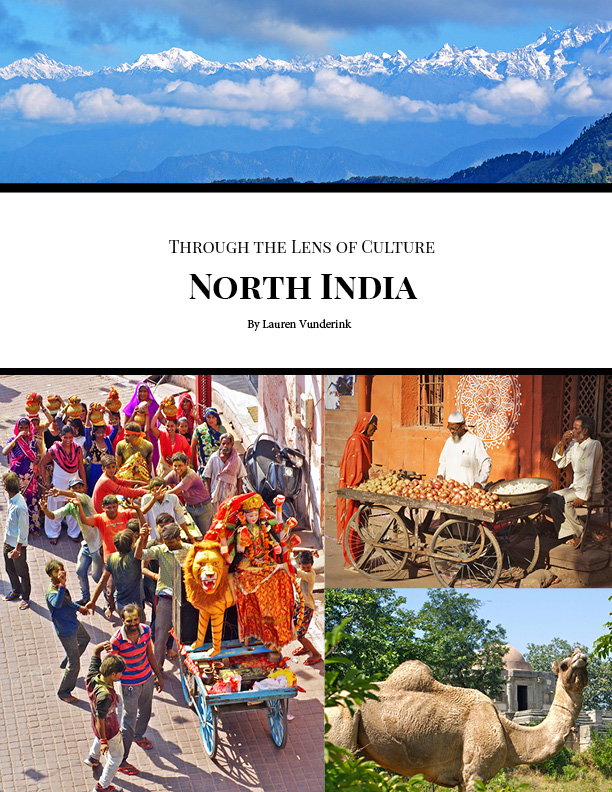
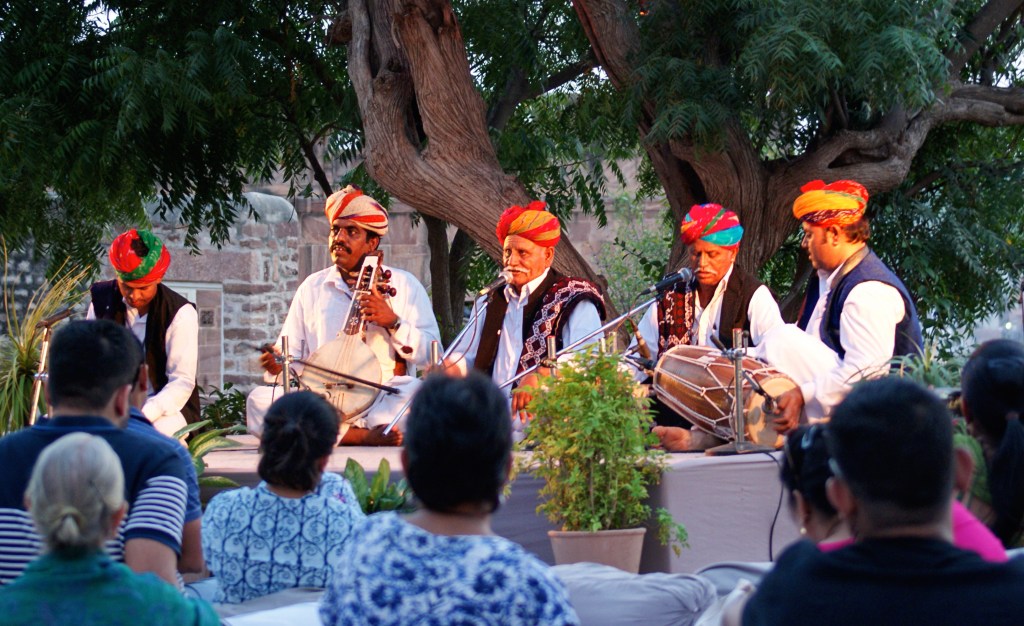
My first photography book “Through the Lens of Culture: Northern India” features some of the many cultural traditions and historical events in northern India. In October 2017, my husband and I traveled across the region, from the Himalayas to the Thar Desert.  The “Through the Lens of Culture” series will feature content on the history and culture of particular geographic regions while celebrating the beauty of the natural and human worlds. My hope is that by setting photographs in context, readers will be able to engage with the material in a more meaningful way than with prints alone, whether as travel inspiration or as educational and artistic material.

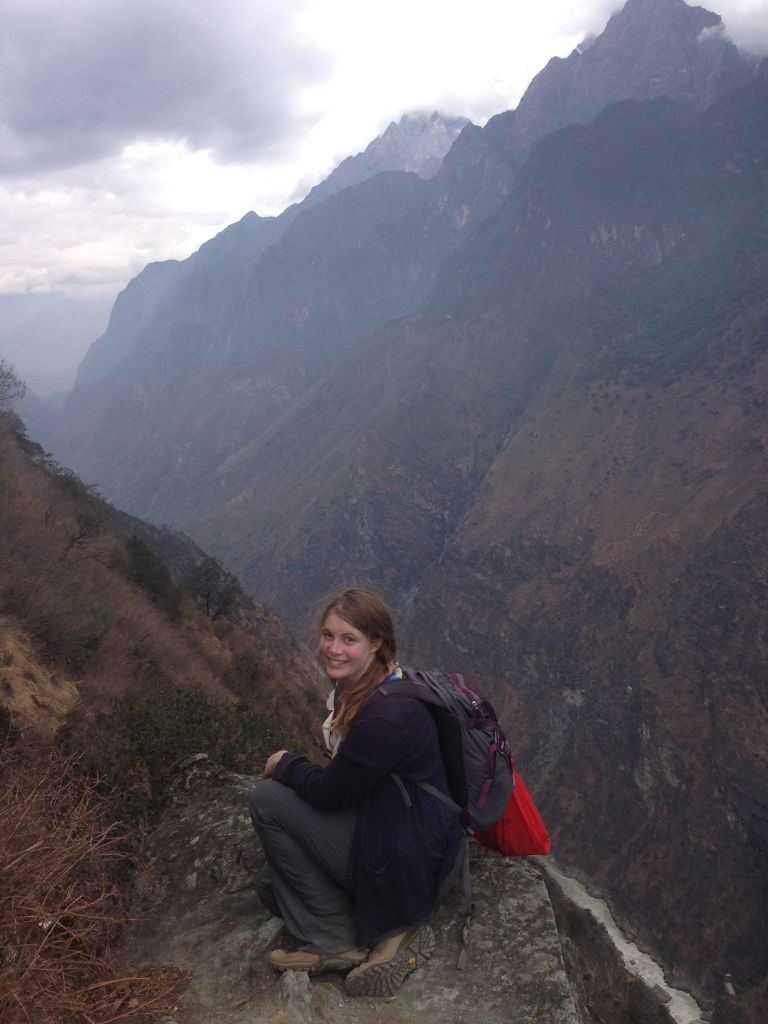
The next two areas of focus in the “Through the Lens of Culture” series will be Yunnan Province and Texas. In 2014, while working towards a degree in Anthropology from Connecticut College, I had the great pleasure of spending a semester studying in Yunnan Province, China with the School for International Training (SIT). Based out of Kunming, the program highlighted the various cultures and ethnic minorities of China. As for Texas, I’m looking forward to creating and sharing material that celebrates the diverse cultures of the region. The central Texas hill country is where I first began to practice photography and learn about the world as a child, so it seems only fitting that I turn my focus to my local environment. 

If you are a fellow photographer, anthropologist, traveler, or lover of learning, I’d love to hear from you! Does this material resonate with you? What countries or regions would you like to learn more about?

Thank you, dear reader, for embarking on this journey with me. I can’t wait to see where it leads!

Book Announcement! “Through the Lens of Culture: North India”

I’m so excited and humbled to share this news: my first book of photography is here!

Over the last three years, since returning to Texas from a five-week long trip to India with my husband Jordan, I had the great pleasure of creating this work. Although many of the images I captured while traveling are strong enough to stand on their own as prints, I wanted to provide an experience for viewers that would allow for the images to be consumed as a collection, alongside historical and cultural educational material for context.

I’m so pleased – and dearly hope you will be too – with the end result: a captivating photographic journey through northern India in 170+ images over 100+ pages. The experience transports readers from the snowy peaks of the Himalayan mountains to the sand swept edge of the Thar desert, with an emphasis on the diverse human cultures that thrive in the region.

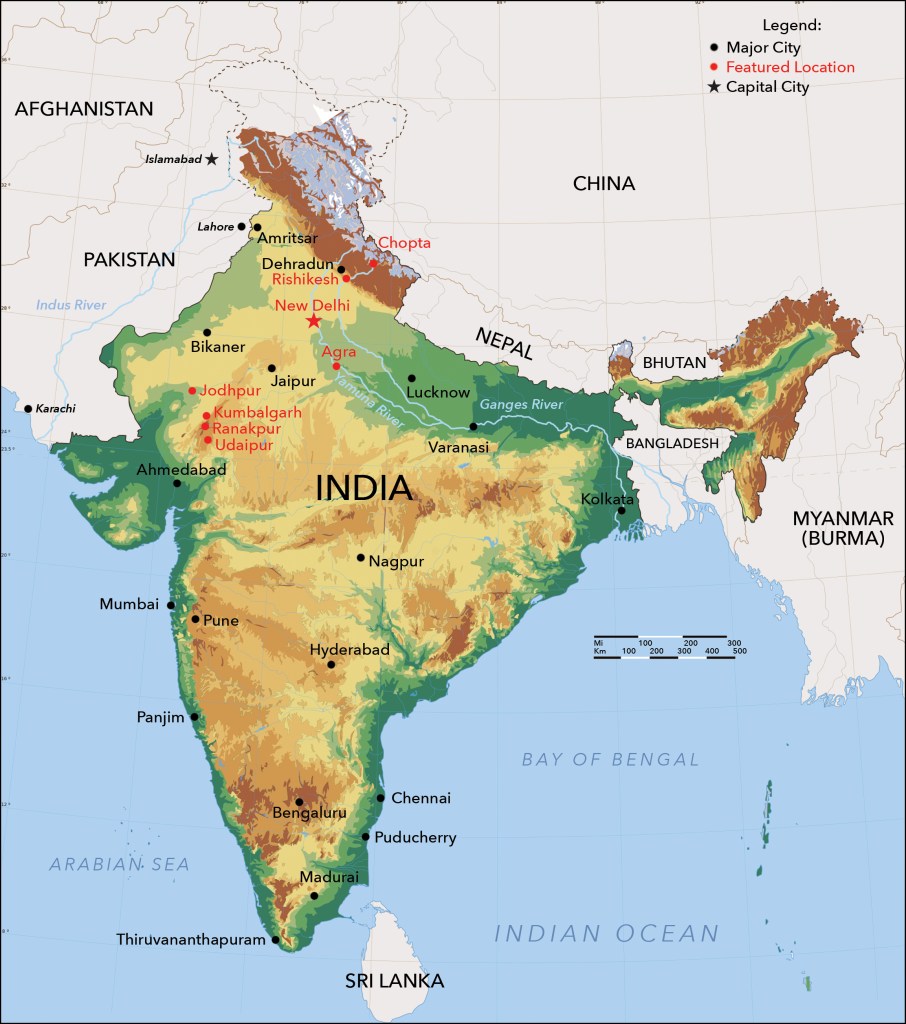
Featured locations in the book are marked in red on the map below: Chopta, Rishikesh, New Delhi, Agra, Jodhpur, Kumbalgarh, Ranakpur, and Udaipur.

I lost count of the number of hours of research that went into this project, from the preliminary step of planning the trip, to learning in person while traveling, to studying encyclopedias and crafting introductions to the history and religions of India and compelling captions. Each image and every word was placed to maximize the readers experience as they embark on a journey through northern India without leaving home.

I hope this book will resonate with people who have an interest in travel, especially individuals considering a trip to India, folks with an interest in photography, or students of any age. I look forward to finding out – please let me know what motivated you to check out this material!

A percentage of the profits from this project will be donated to nonprofits that serve the people of India.

I look forward to delving more into travel tales and the stories behind the photographs on this blog as our journey continues!

Yunnan Province and an Award Winning Image

The ethnic composition of China is predominately Han, but there is far more ethnic diversity in the vast, populous region than many westerners are aware of. The Chinese government officially recognizes 56 ethnic groups, with Han making up 92% of the population. An alarming occurrence recently has been the Chinese government’s persecution of the muslim Uyger population in the northwestern state of Xinjiang. There have been many reports of abundant human rights abuses in the “re-education camps” that Uygers are forced to attend. It is especially concerning that their reported population numbers are plummeting, making observers fear an ethnic genocide is being perpetrated. In Yunnan province, the population is one third non-Han, with 50 of the 55 minority groups represented, making Yunnan an ideal place to learn from and about China’s ethnic minorities. 

The four months of spring 2014 that I spent traveling and studying in Yunnan Province, China was the highlight of my college experience. I’m so grateful to have had the opportunity to study abroad with the School for International Training on a program called “China: Language, Cultures, and Ethnic Minorities”. Over the course of the program, the city of Kunming was our home base for traveling around Yunnan province. Locations I visited in Yunnan province included Tonghai, Xiaoshujing, Xishuangbanna, Weibaoshan, Weishan, Baoxingsi, Dali, Shaping, Lijiang, and Xianggelila. As a group, we spent a week in the bustling metropolis of Beijing, as well.  

My student ID while studying at Yunnan Minzu University (Yunnan University of Nationalities)

The SIT program staff, who crafted the educational and travel agendas and cared for the participating foreign students, were incredible guides and an invaluable support system. While in Kunming, we lived in dorms at Yunnan Minzu University (Yunnan University of Nationalities) and stayed in homestays. While traveling, we stayed in guest houses and participated in a homestay in Shaping village in Shaxi city. Shaxi is called the only remaining ancient town on the Tea and Horses Caravan Trail, and is populated by people of the Bai ethnicity. 

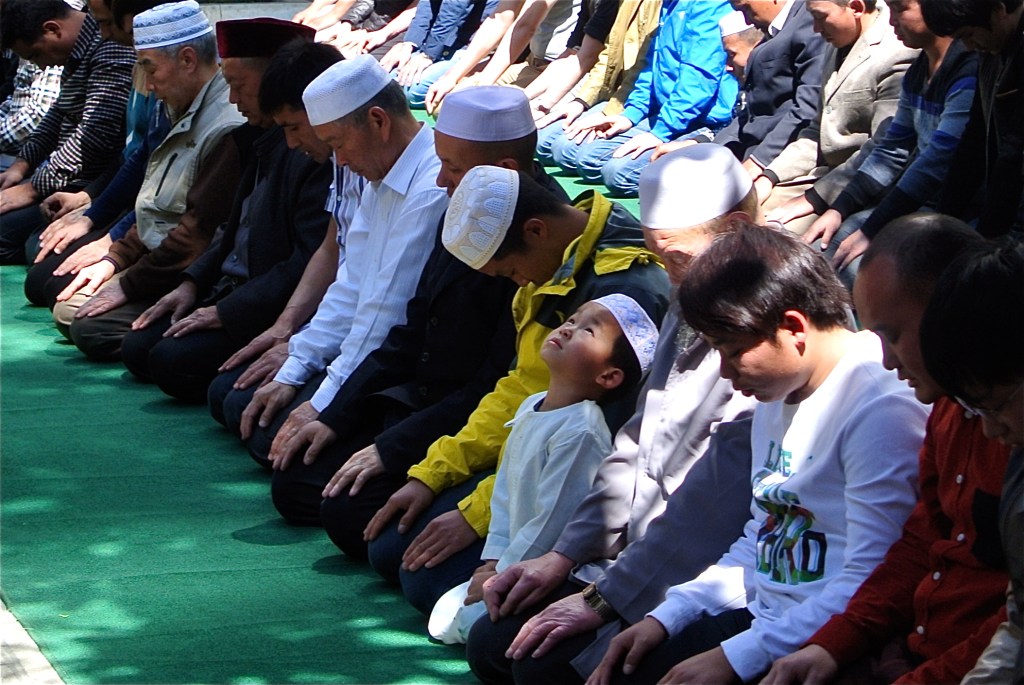
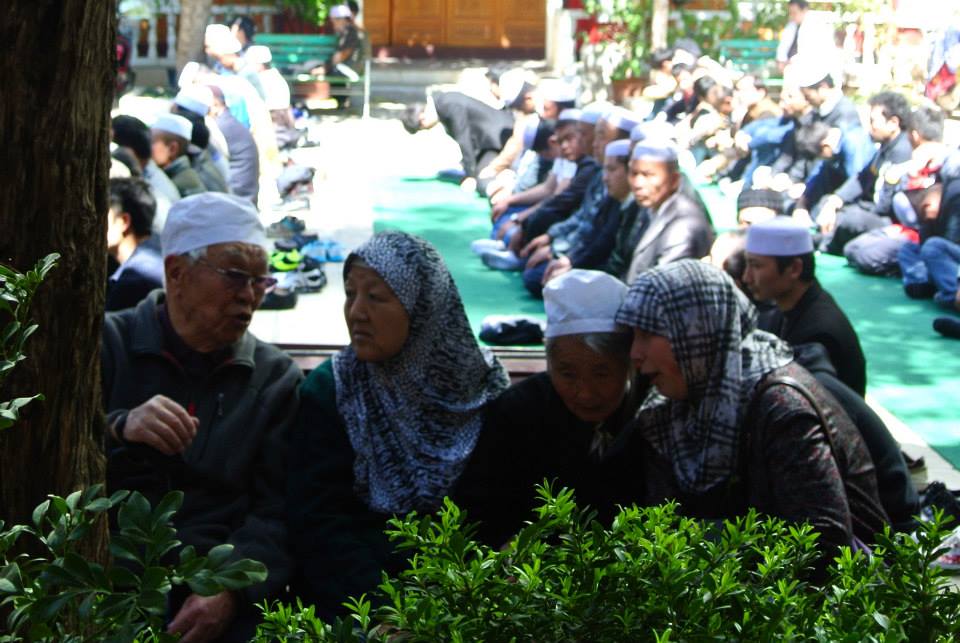
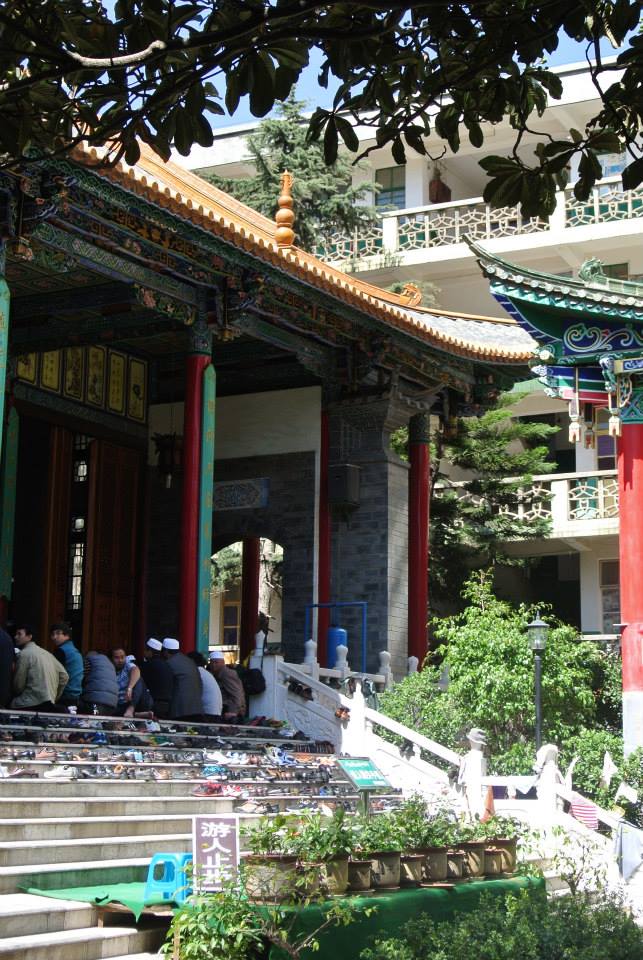
One Friday in February we visited Shuncheng mosque in Kunming to observe an afternoon worship and learn from an imam about their religious practices and lifestyle. As an ethnically Hui population who practice Islam, navigating life under the oversignt of the Chinese government presents many challenges. I went, as always, with my camera in hand. Months later I submitted some photographs to SIT’s World Learning photography competition, and am honored that this image placed third.

During worship at Shuncheng mosque, a young boy looks toward the sky

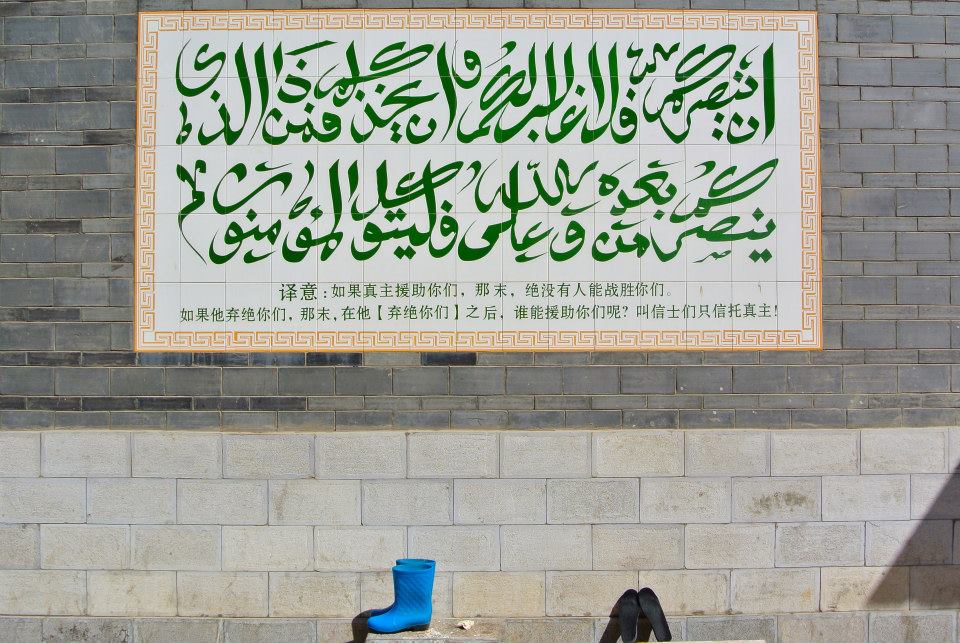
Here are some additional images from the Shuncheng mosque:

As I add content to this blog, I hope to dive more deeply into more of the ethnic groups of Yunnan Province. Please let me know, dear readers, if there is a topic that is close to your heart you’d like me to feature or if a piece of information resonated with you and you’d like to learn more about it.